
By Alagi Yorro Jallow
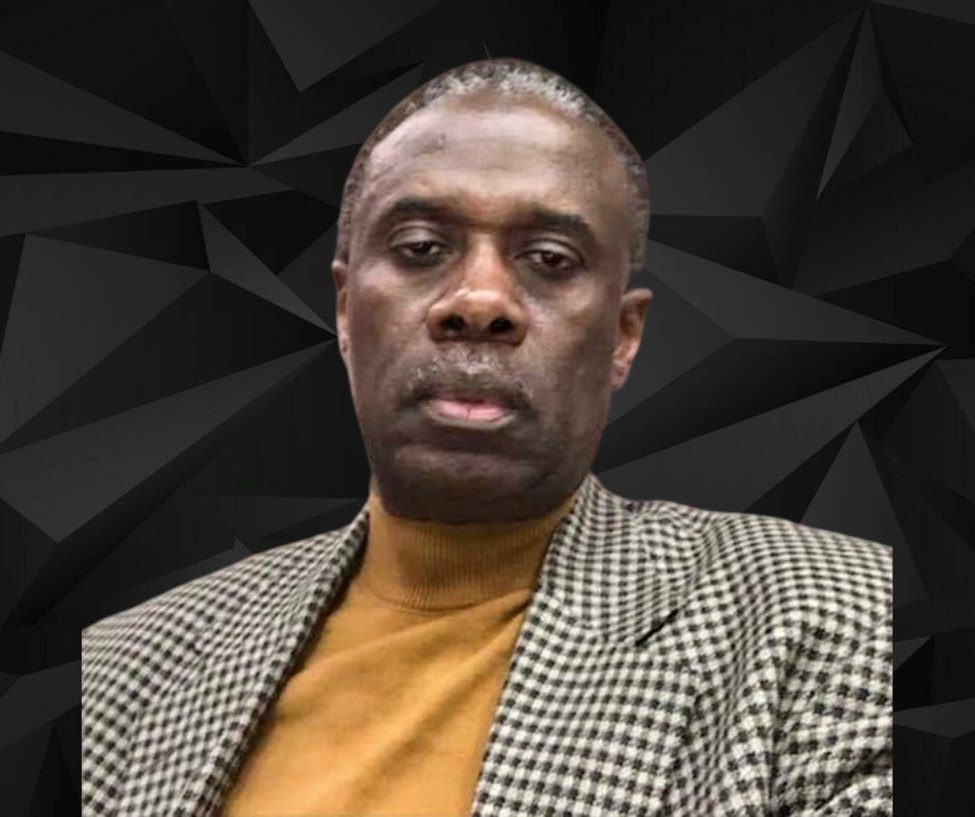
Fatoumatta: In the rich tapestry of Gambian political history, specific names shine with profound significance: individuals who stood resolute when silence would have been safer, who chose courage over complacency, and who gave voice to the voiceless amid tyranny. Among these heroes, Mr. Kebba Foon emerges as a standout figure. While his name may not yet grace every textbook or mural, his legacy is intricately woven into the very fabric of The Gambia’s democratic evolution.
As Chairman of the Save The Gambia Democracy Project (STGDP), a U.S.-based organization comprising diaspora Gambians devoted to advancing democracy, human rights, and good governance, Kebba Foon has committed decades to being a tireless champion for justice. His activism knows no borders; it bridges the Atlantic to forge connections between diaspora voices and grassroots movements within The Gambia. His work transcends mere politics; it is deeply moral, intellectually rigorous, and profoundly personal.
Fatoumatta: During the oppressive regime of President Yahya Jammeh, when fear silenced many and opportunism ensnared others, Kebba Foon boldly chose a different path. While some intellectuals sought refuge in international institutions or aligned themselves with the dictatorship for personal gain, Foon became a beacon of resistance. He resolutely refused to let silence extinguish his humanity. Drawing inspiration from the literary bravery of Wole Soyinka, who poignantly stated, “The man dies in all who keep silent in the face of tyranny,” Foon embodies an unwavering spirit of defiance. He dismantled the moral void of complicity and emerged as a relentless force against oppression. Leveraging online platforms like All Gambia.net and the Gambia L listserv, he galvanized diaspora communities, empowering Gambians to confront power with truth and demand accountability.
Fatoumatta: One of Foon’s most significant contributions came in 2006 with the formation of the National Alliance for Democracy and Development (NADD), the first substantial coalition of opposition parties in The Gambia. Recognizing the critical nature of the moment, Foon invited opposition leaders in the United States to build upon the momentum they had created. He urged them to expedite the selection of a flagbearer for the forthcoming elections, emphasizing that delays could fracture unity and squander the hope of the public. His message was unequivocal: democracy cannot afford to wait. Coalitions must not merely be an abstract principle but a practical reality. Foon’s strategic insight and diplomatic acumen, which played a pivotal role in shaping the coalition discourse, have laid the foundation for future alliances, including the groundbreaking 2016 coalition that ultimately ousted Jammeh from power.
Fatoumatta: For many, the fall of Jammeh signaled the end of an arduous struggle. For Kebba Foon, however, it represented the beginning of a vital new chapter. He has remained unyielding in his critique of President Adama Barrow, asserting that Barrow has betrayed the trust of the Gambian people. Foon believes that Barrow’s administration has failed to fulfill the promises of the transition and that a renewed coalition is essential to restore democratic integrity. “A coalition brought down Jammeh, and it will be a coalition that defeats Barrow,” Foon declared passionately, insisting that any single party must not dominate the next alliance but should be driven by a collective vision for national renewal.
Kebba Foon’s tireless efforts to forge consensus among political leaders ahead of the 2026 presidential elections reflect his unwavering commitment to unity. Engaging in meaningful dialogue with party leaders across the political spectrum, he advocates for a grand coalition that transcends tribalism, personal ambition, and ego. His goal is to set the stage for a brighter democratic future for The Gambia, where shared values and a collective vision for national renewal take precedence over individual interests.
Kebba Foon’s commitment to fostering democracy and human rights in The Gambia is also evident in his role in the Save The Gambia Democracy Project (STGDP). The initiative emerged in the early 2000s on diaspora forums like Gambia L and Gambia Post, where Gambians and allies engaged in passionate discussions about the nation’s political future.
The initiative was ignited by Dr. Abdoulaye Saine, a distinguished political scientist, who put forth a bold proposal for a fund to support the victims of the April 10–11, 2000, student massacre, the private media, and others affected by the tyranny of the APRC. STGDP was officially launched on February 18, 2004, at Morehouse College in Atlanta, Georgia—the alma mater of Dr. Martin Luther King Jr. This choice of location was deliberate and symbolic. Just as King galvanized the civil rights movement in the United States, STGDP set out to spearhead the struggle for democratic rights in The Gambia.
Fatoumatta: The organization’s mission is to foster an environment where democracy and its fundamental principles can flourish. STGDP welcomes all Gambians and friends of The Gambia, transcending religious, economic, regional, or political divides. Through dynamic advocacy, transformative education, and strategic coalition-building, STGDP has become an essential pillar of diaspora activism, with Kebba Foon playing a significant role in its success.
Kebba Foon embodies the essence of activism. He is not only a strategist but also a mentor, a moral guide, and a profoundly compassionate individual. His unwavering commitment to justice, which extends well beyond politics, has positively impacted lives in academia, civil society, and personal spheres. He has inspired countless young Gambians to pursue justice, voice their truths, and resist the seductive pull of complicity. The empowering words of Maya Angelou well capture his profound legacy: “Courage is the most important of all the virtues, because without courage, you can’t practice any other virtue consistently.”
Foon’s courage has been unwavering, contagious, and a source of inspiration for many. He emphasizes that intellectual activism transcends academic theory; it is an essential lifeline for justice.
Fatoumatta: In a time when numerous public intellectuals chose silence or self-preservation, Foon embraced sacrifice, dedicating his life, resources, and voice to building a brighter future for Gambia.
Fatoumatta: It is high time we celebrate Kebba Foon not merely as a diaspora activist but as a national hero. His significant contributions to the pro-democracy movement, his pivotal role in coalition-building, and his steadfast commitment to justice have etched an indelible mark on the history of The Gambia.
As we face another crucial election, Foon’s vision is more relevant than ever. He urges Gambians to remain patient, principled, and united. He believes that the hard lessons from 2016 must illuminate the path ahead, asserting that only a coalition founded on shared values, not political expediency, can restore the promise of democracy. “Political leaders will unite and form a grand coalition that will ultimately defeat President Adama Barrow in the 2026 election,” he declares with unwavering conviction.
Fatoumatta: Kebba Foon’s life and work stand as a powerful testament to the impact of intellectual courage and tireless activism. His legacy serves as a beacon of hope for all those yearning for a more just and compassionate world. He has shown us that one principled and persistent voice can challenge even the most entrenched regimes.
As we honor his invaluable contributions, let us remember that democracy is not a final destination; it is a relentless pursuit. In this struggle, Kebba Foon has illuminated the way forward. May this tribute not only recognize his achievements but also serve as a clarion call to action.
Fatoumatta: Let us celebrate his legacy, amplify his message, and diligently continue the work he began. The Gambia owes him more than gratitude; it owes him a resolute commitment to uphold the ideals he so fearlessly championed.