
Fatoumatta: From Circumcision Metaphor to Coalition: The main point is simple. Diomaye’s mandate exists because the coalition played a crucial role in winning the presidency. Critics may not see this, but they cannot change the facts, no matter what symbols they use.
Stop the Revisionism:
President Faye’s declaration, “I Was Circumcised,” asserted his moral and political readiness, but it is the Diomaye Coalition—not a dissolved party—that delivered the presidency. While Ousmane Sonko played an important personal role as PASTEF’s moral guide, the coalition’s broad appeal to 54% of voters from across Senegal, not party members, was decisive.
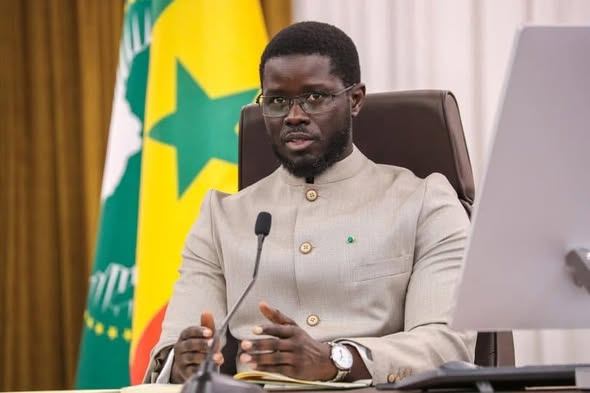
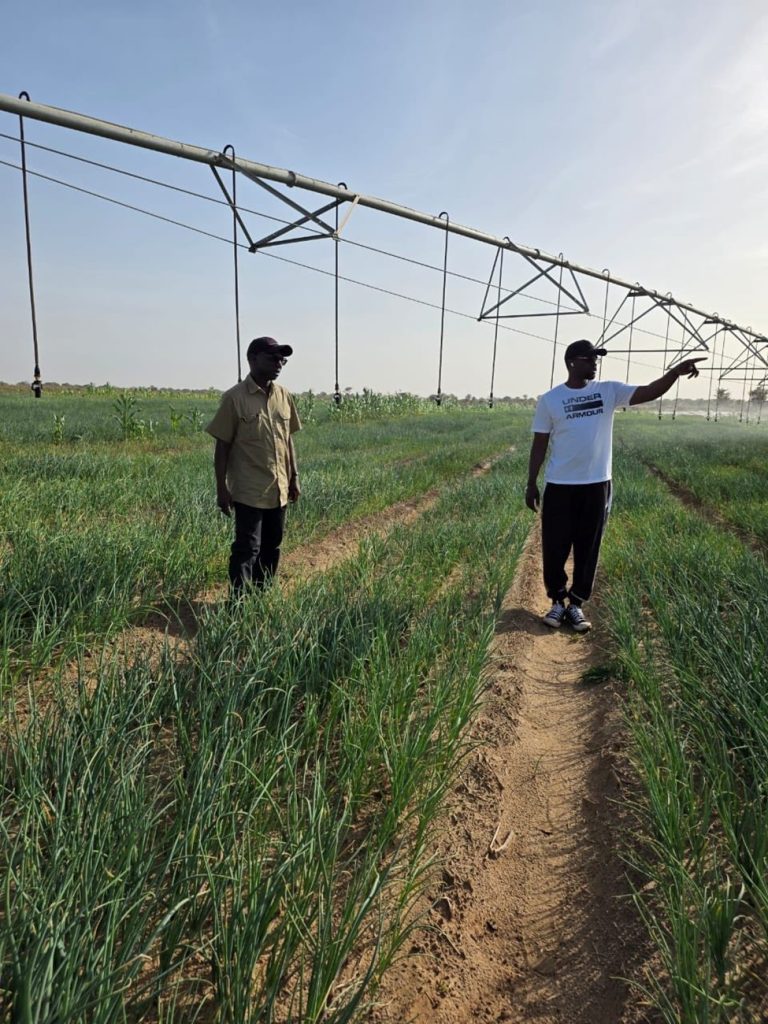
Fatoumatta: In a single day, Senegal witnessed three competing visions of leadership: a President invoking the cultural maturity of circumcision, a coalition reminding the nation of the legal truth that delivered the presidency, and a rival posing in a rice field to soothe his base with theatrics. These three images, one rooted in values, one grounded in constitutional fact, and one staged for emotional effect, reveal the fault lines shaping our political moment. Senegal is witnessing a troubling rise in emotional storytelling, conspiracy theories, and revisionist narratives designed to distort the truth. People are free to support Ousmane Sonko. They are free to admire him. But no one is free to rewrite history, manipulate facts, or weaponize emotion to delegitimize the mandate of President Bassirou Diomaye Faye.
Some critics, especially among Sonko’s most emotional supporters, mocked President Faye’s metaphor, failing to understand it. They treated a profound cultural symbol as a gaffe, revealing their own intellectual shallowness. While they ridiculed what they could not decipher, Sonko resorted to familiar theatrics, posting a staged photo in a rice field to soothe his base with symbolic gestures. True leadership requires responsibility and maturity, not symbolic imagery or mockery. President Faye’s metaphor spoke the language of African initiation, maturity, and responsibility, in contrast to critics’ noise and emotional reflexes.
Fatoumatta: Senegal cannot afford a political future built on manipulation and distortion. Supporters are entitled to admire Ousmane Sonko, but no one should rewrite history or use emotion to undermine President Diomaye Faye’s mandate.
Let us confront reality directly: the Diomaye Coalition for President, not PASTEF, delivered Diomaye Faye’s presidency. This is a matter of law, chronology, and political fact. PASTEF ceased to exist before the election and could not perform legal functions. The coalition’s actions ensured candidacy and victory.
And when the party died, the responsibility of preserving the democratic process fell on those who refused to let the moment collapse. President Diomaye Faye himself has explained what happened during his imprisonment: the party was gone, and a new structure had to be created to save the candidacy. That structure was the Diomaye Coalition for President, the only political body that actually existed, functioned, mobilized, and delivered.
It was the coalition that raised the funds. It was the coalition that filed the receipts. It was the coalition that carried the legal burden. It was the coalition that built the machinery of victory. Not PASTEF. Not a dissolved entity. Not a myth.
Today, some loud, emotional, and historically careless voices try to erase the coalition’s role and promote a romanticized myth of individual heroism. They claim betrayal, yet overlook the plain fact: without the coalition, Bassirou Diomaye Faye would not have been on the ballot. That is neither betrayal nor ingratitude; it is simply the truth.
Fatoumatta: The reactions to President Faye’s recent statement, “I was circumcised,” have only exposed the intellectual poverty of some of his critics. In African political culture, circumcision is not a joke; it is a rite of passage, a declaration of maturity, discipline, and moral readiness. When the President invoked this metaphor, he was asserting that leadership is not noise or theatrics but responsibility and self‑mastery. He was speaking the language of initiation, the language of men who understand the weight of leadership. Yet some of his critics, particularly among the most emotional supporters of Ousmane Sonko, mocked the metaphor as if it were a gaffe. Their laughter revealed not wit but ignorance. They failed to decipher a cultural symbol that has guided African societies for centuries.
And while they mocked, Sonko retreated into familiar theatrics, posting a staged photograph of himself in a rice field, an attempt to reassure his base with symbolic imagery. But symbolism is not governance; a photo-op is not leadership. President Faye’s metaphor came from the depths of African initiation, while his critics responded with the shallowness of social-media sarcasm. The contrast is clear: one man speaks from cultural grounding and moral seriousness; the other relies on emotional reflexes and performance.
Senegal needs to base its political future on the facts about the coalition’s role, not on emotional distortions. Knowing this difference is important for everyone, both citizens and leaders.
Fatoumatta: History shows that Bassirou Diomaye Faye became President because the Diomaye Coalition supported him after PASTEF ended. This fact should stay at the center of Senegal’s political understanding in the future.
Footnote: Ousmane Sonko’s campaign role is not minimized. Still, the 54% who voted for Diomaye were Senegalese people, not just PASTEF members.