
The Wig and the Oath: A Crucial Call to Restore Dignity in Gambian Law and Politics. When lawyers lack innovative ideas and fail to engage meaningfully in public policy, they often resort to insults and incite violence, threatening the fundamental principles of justice. We must uphold the integrity of our political and legal systems and demand a higher standard of conduct from those who represent them.
By Alagi Yorro Jallow.
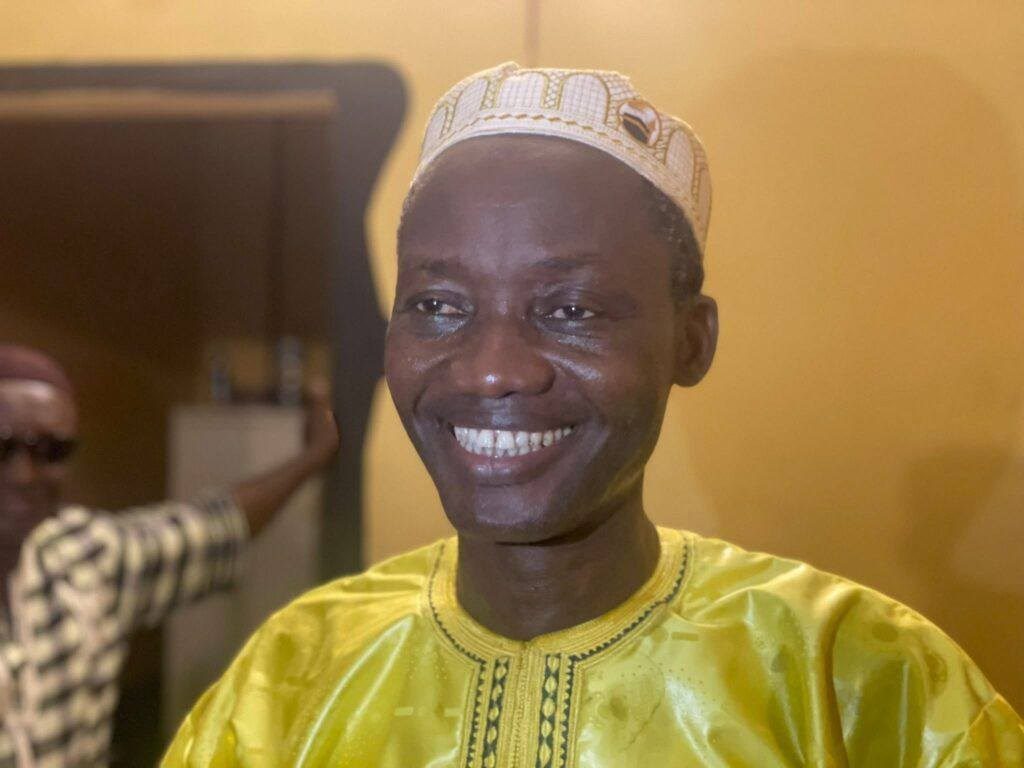
Fatoumatta: Lawyers are called to champion what is true, honorable, correct, pure, reputable, excellent, and worthy of admiration. This commitment lies at the heart of the lawyers’ oath—a profound promise that binds them not to power or partisanship, but to justice and the collective good. Upholding the legal profession’s code of conduct, which emphasizes integrity, fairness, and civic responsibility, is essential; when legal professionals abandon these principles, they not only betray their oath but also undermine the very foundation of our democracy.
In our delicate democracy, words hold immense power; they can either cultivate peace or sow discord. It is therefore vital that we, as Gambians, unite in rejecting divisive rhetoric and support leaders who promote harmony and stability for our nation’s future.
The law stands on the pillars of logic, comparative reasoning, and the quest for justice. How can a lawyer forsake these fundamental tenets to advocate for violence, disseminate hate speech, and call upon supporters to “come out and die”? Such language is far from reasoned argument; it is a weapon wielded against the very fabric of our society.
Fatoumatta: It is a glaring betrayal of the legal profession’s oath, which demands sobriety, fairness, and unwavering adherence to the truth. The National People’s Party (NPP) has rightfully labeled these comments as “reckless, dangerous, and divisive.” To deride Gambians who do not align with the United Democratic Party (UDP) as “non-halal dingos” is not merely unprofessional; it strikes at the heart of the principles of tolerance and coexistence that our nation urgently needs. As African wisdom teaches, “The tongue can build a village, but it can also burn it down.” Touray’s rhetoric has chosen to inflame rather than enlighten.
Fatoumatta: Gambians must firmly reject this politics of violence, intimidation, and insult. We must demand that the UDP dissociate itself from such lawlessness and that Touray issue an unequivocal apology and retract his statements. Shallow arguments and incendiary rhetoric threaten the foundation of our democracy. Our shared governance must thrive on reason, respect, and responsibility. Those who don the wig must remember that their robes are not mere costumes for spectacle but sacred garments of justice. To abandon this mission is to betray not just the profession, but the nation itself. Let us remind ourselves: the lawyer’s oath is not a hollow recital; it is a binding covenant with truth, honor, and justice. To forsake logic for insults and to trade reason for recklessness is to tarnish that covenant.
Fatoumatta: Gambians deserve lawyers who embody excellence and integrity, not those who spread division and lawlessness. The wig and gown should symbolize dignity and trust, inspiring confidence in our justice system and our nation’s future. As citizens committed to our shared values of unity, peace, and respect, let us proclaim: The Gambia will not be fractured by thoughtless words. We choose peace, reason, and dignity over violence, insult, and chaos.
As African wisdom reminds us: “The tree without roots cannot stand.” If our lawyers forget the roots of their oath, they will fall into disgrace. But if they honor it, they will stand tall as guardians of justice and builders of peace.