
By Ousman A. Marong
Dreaming of a better life in Europe and hoping to say bye to abject poverty with the intention of making it to Europe through small boats from The Gambia 37-year-old Enocient Uwecho, a Nigerian national from Niger Delta River State loses D90,000 to Senegalese Smugglers.
Like many young Africans, he was lured by the promise of prosperity and opportunity and the chance to escape the poverty and hardship that plagued his Niger Delta River State.
“Things took a turn when we realised the smugglers had only funded 280 people in our trip. We tried to negotiate with them to stop the journey, but they had already used our money to send the first batch of 150 people to Spain. We were 430 people, and now we are stuck in Jinack. The conditions were brutal as it was snowing, windy, rainy and the sea was on three-meter-high waves. One girl even gave birth in the boat and the captain punished her by pouring water on her sleeping area. We were eventually repatriated by the Moroccan coast guards after trying to sail to Las Palmas.”
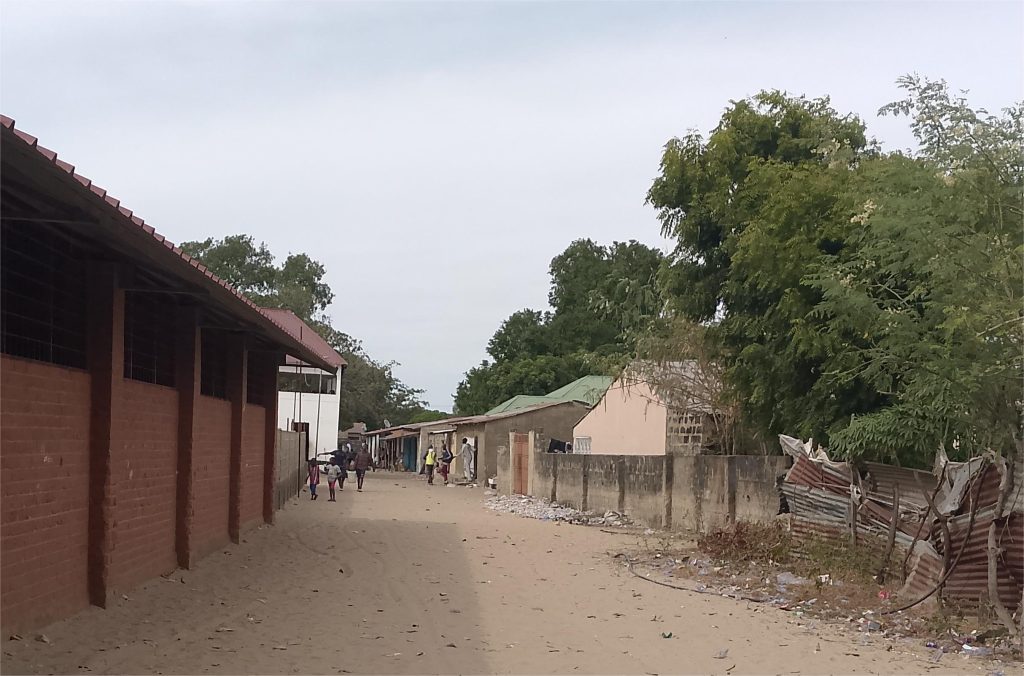
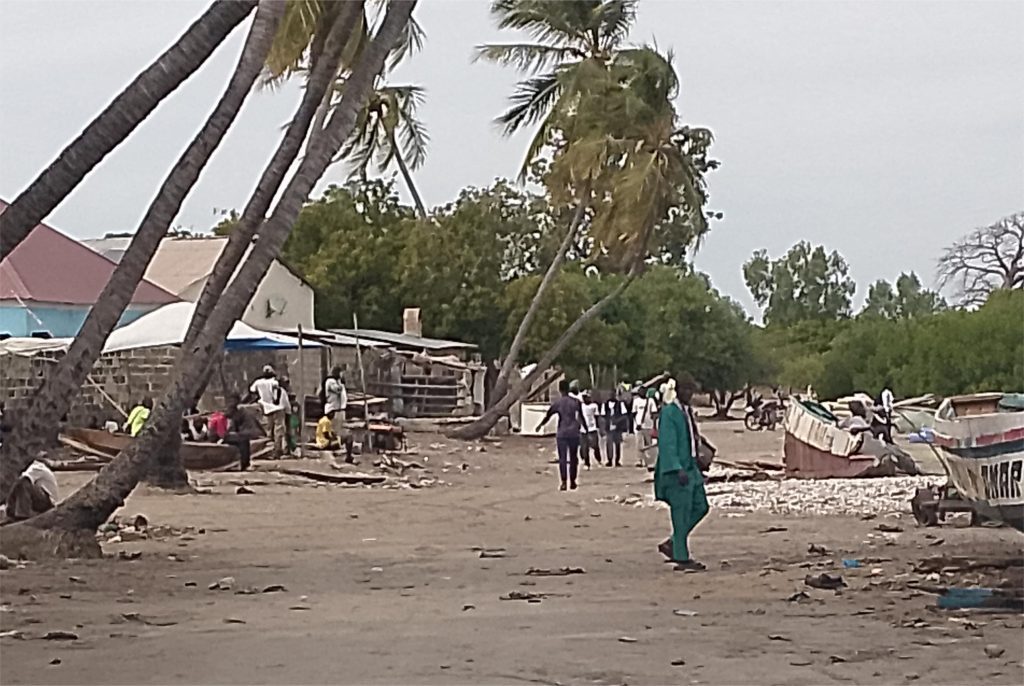
In Jinack, being warned by health officials to stop the influx of migrants entering the village, “smugglers would run away” upon receiving information that the Gambia Navy were coming, said Ousman Manneh, representative of the village head (Alkalo). “Smugglers would not come to the village if they heard the Navy was patrolling at sea.”
Migrations fueled partly by a mix of push and pull factors including Economic hardship and lack of opportunities in The Gambia. Desire for better living standards and access to services like family ties or aspirations for a better life abroad, has long plagued the West African countries, resulting in mass migration and high death rates at sea. As of 2025, the country’s migration death rate is more than 10,000.
Quelling fears
Seeking to avoid a national health disaster in Jinack, the Senior Regional Health Promotion and Education Officers, at the Essau District Hospital, warned that proper attention should be given to Jinack or else if there is any disease outbreak it could result to deaths giving impetus to other health outbreaks. Currently, the number of would-be migrants’ in Jinack is three times more than the population. The would-be migrants’ are living in slums under cashews trees along the riverside. There is little or no running water in the village and the would-be migrants openly defecate under cashew trees not very far from the residential areas.
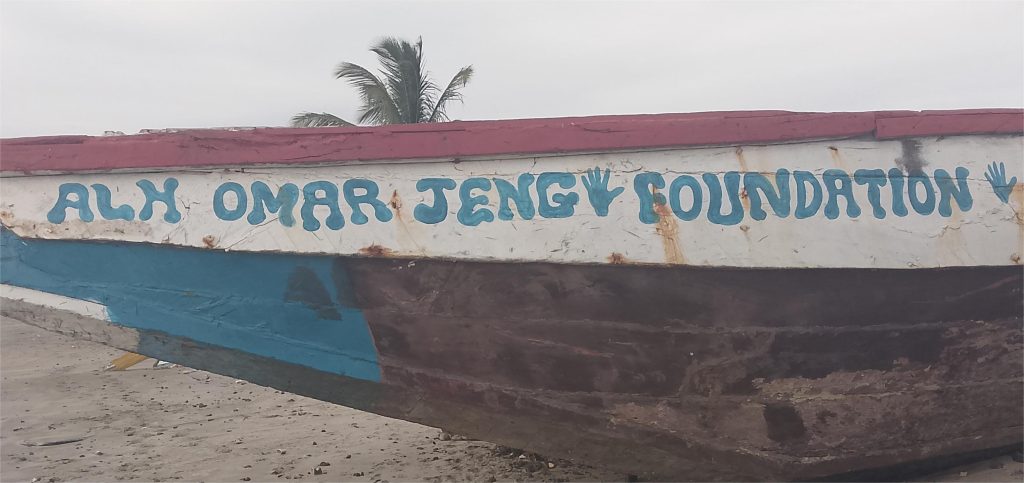
Jinack: A Safe Haven for Migrant Smugglers: How Senegalese Migrant Smugglers See Jinack as a Lucrative Business Centre.
Jinack Island in The Gambia has become a hotspot for Senegalese migrant smugglers, who exploit vulnerable migrants seeking a better life in Europe. The island’s remote location with a strong cultural phobia that security apparatus would run mad should they attempt to enter the village makes it an attractive hub for smugglers to assemble and transport migrants to Spain via small boats, often under brutal conditions. Despite increased patrols by the Gambia Navy, smugglers continue to operate, targeting desperate individuals from West Africa with promises of safe passage. These Would-be migrants include Gambian’s, Senegalese, Guineans, Malians, and Nigerian nationals of both male and female living together in slums. There are 14 groups of migrants in Jinack and each group totals 280 all living in Jinack making life unbearable for the hinterlands.
List of Alleged Boat Owners
Migrants stranded in Jinack refer to these individuals as scammers’ who are hell bend to sacrificing people. The individuals are Pa Saine from Mayamba in the North Bank Region, Adama Sarr from Betentey Senegal, Amat Ceesay Senegal, Sulayman Diop Senegal, Seedy Jah, Senegal, Amadou Ceesay Senegal and Abdoulie Sange, respectively.
To curb national mass migration, The Gambia government launched multi-layer engagement campaigns in 2023. The aim was to educate, address concerns and promote regular migration awareness for better living conditions.
The campaigns involved collaborations with Migrants as Messengers (MaM), Community Conversations, Youth Takeover, and media engagement to drive mass sensitisation. These efforts helped dismantle superiority and inferiority complexes.
MaM and Migration Information Centres (MICs) acted as intermediaries between parents and communities, building trust. Returnee migrants testified about their journeys, sharing firsthand experiences.
“I lost more than D100,000 from the Senegalese Smugglers’ and it had cost me financially, morally and mentally,” Amadou Sow, a migrant from Kaulac, Senegal, told this report during a session in Jinack. “I encourage my fellow youths to travel through regular means.
As awareness spread, the government doubled efforts to make proper decisions before migrating through irregular means, especially amongst youths planning to travel via small boat in rural Gambia.
The government is building on progress, working with international partners such as the EU and, IOM to tackle migration challenges.
By deploying officers to key areas, they are monitoring migration trends, providing support to stranded migrants, and creating pathways for safe and regular migration to ensure there is proactive approach to address irregular migration and ensure Gambian migrants’ safety.
“I am trapped in a cycle of debt and desperation. I spent D90,000 on a small boat that was supposed to take me to Europe, but it’s gone nowhere. I am left with nothing, no money, no hope, and an uncertain future. I regret my decision every day, but I can’t go back. I’m a victim of false promises and my own dreams.” Amadou Sow, Senegalese migrant.

Good one