

The recent remarks by Information Minister Dr. Ismaila Ceesay regarding the appointment of Auditor General Modou Ceesay as Minister of Trade require careful clarification. Dr. Ceesay suggested that by hugging President Barrow, smiling, and receiving his appointment letter at State House, the Auditor General had already “accepted” the ministerial position. This interpretation is misleading and risks trivializing the seriousness of constitutional appointments in The Gambia.
Gestures of courtesy in formal settings, such as a handshake, a smile, or even a hug are cultural expressions of respect, not binding endorsements of political or administrative offers. To claim otherwise is to confuse politeness with acceptance. The delivery of an appointment letter gives the appointee an opportunity to reflect, consult, and decide whether to assume the responsibilities attached to the role. Acceptance must be clear, deliberate, and communicated in no uncertain terms, whether verbally or in writing.
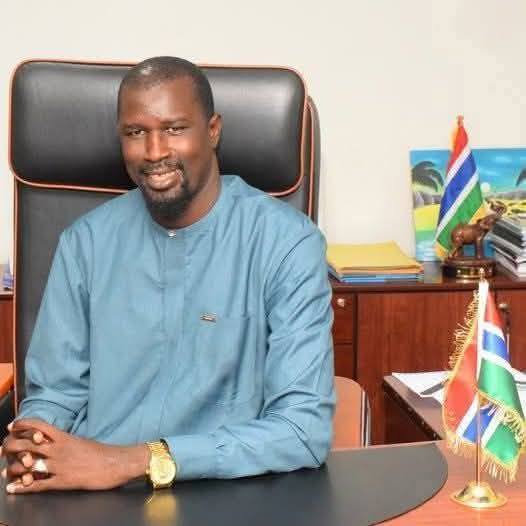
The case of the Auditor General is even more unique. The National Audit Office Act of 2015 and the Constitution of The Gambia enshrine the independence of the Auditor General’s office to safeguard accountability, transparency, and integrity in the management of public funds. This independence is deliberately designed to protect the Auditor General from political pressures and to ensure credibility in public sector audits. To suggest that a brief exchange at State House automatically overrides this constitutional safeguard is both legally and ethically flawed.
If Dr. Ceesay is drawing parallels to his own personal experience, where he accepted a ministerial appointment without broader consultation with his party’s executives or membership, then he is mistaken. A ministerial appointment is inherently political, subject to party strategy and executive discretion. The Auditor General, by contrast, occupies a constitutional post insulated from politics and entrusted with the solemn duty of holding government itself accountable.
Mr. Modou Ceesay’s decision to decline the appointment and remain committed to his role as Auditor General must therefore be respected as lawful, principled, and in line with his constitutional mandate. Anything less risks undermining the independence of one of the country’s most critical institutions.
In the interest of democratic governance and the rule of law, we must recognize that acceptance of public office is not about smiles or hugs, but about informed and deliberate consent.